Snow Mushroom vs Hyaluronic Acid in Korean Skincare
Top picks
1 picksEach pick labeled by what it's actually best for.
- 1
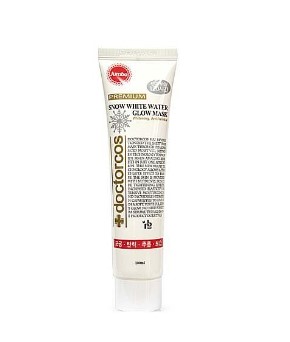 ★ Top pick닥터코스닥터코스 프리미엄 스노우 화이트 물광 마스크 110ml, 5개
The only snow-themed water-glow sleeping pack in the lineup for overnight moisture.
Overnight glow hydration110ml x 5, water-glow sleeping mask
Buy links go to third-party stores; we may earn a commission at no extra cost to you. Prices/availability vary.
Full breakdown
Snow mushroom and hyaluronic acid are both humectants, meaning they help skin hold water, but they behave differently in Korean skincare routines. Hyaluronic acid is the better-known, data-backed option for lightweight hydration, while snow mushroom, also called Tremella fuciformis, is used more often for a cushiony, glow-focused finish.
In Korea, this difference often shows up in search terms like 물광, or “water glow,” and 수부지, meaning oily but dehydrated skin. For most shoppers, the choice is less about which ingredient is “stronger” and more about texture, climate, and where the product sits in your routine.
How we picked
- Category fit: We prioritized Korean products where the listed category clearly matches hydration care, especially sleeping packs, masks, and leave-on moisture products.
- Ingredient relevance: We looked for products positioned around snow mushroom, hyaluronic acid, or a comparable moisture-barrier benefit rather than general brightening or cleansing.
- Korean retail context: We weighted products available through Korean shopping channels such as Naver Shopping, where local shoppers often compare price, format, and review signals.
- Review transparency: We considered rating and review count, and did not treat an unrated product as proven by consumer feedback.
- Routine usefulness: We favored products that make sense in a Korean routine, where sleeping packs are often used as the final night step rather than as a Western-style rinse-off mask.
In-depth review of the #1 pick
닥터코스 프리미엄 스노우 화이트 물광 마스크 110ml, 5개 (Dr. Cos Premium Snow White Mulgwang Mask 110ml, 5-Pack) is best understood as a Korean sleeping-pack pick rather than a simple serum alternative to hyaluronic acid.
The product sits in the 수면팩 category, which matters because Korean shoppers often use sleeping packs as the final layer at night to seal in 스킨, essence, serum, and cream. That makes it more relevant for dry Korean winters, when indoor 온돌 floor heating can leave skin feeling tight by morning, than for someone who only wants a thin daytime hydrator under makeup.
The “물광” positioning also points to the Korean preference for clean, natural radiance, closer to a K-pop idol 쌩얼, or no-makeup look, than a glittery or high-shimmer finish. The main caution is evidence: the listing has no rating and no reviews, so we would treat it as a category-relevant pick, not a consumer-proven one.
Comparison table
| Rank | Product | Brand | Price (KRW) | Rating | Key feature |
|---|---|---|---|---|---|
| 1 | 닥터코스 프리미엄 스노우 화이트 물광 마스크 110ml, 5개 (Dr. Cos Premium Snow White Mulgwang Mask 110ml, 5-Pack) | 닥터코스 (Dr. Cos) | ₩67,000 | No rating; no reviews listed | Sleeping-pack format for 물광 moisture care |
Snow mushroom vs hyaluronic acid: which should you choose?
Choose hyaluronic acid if you want a familiar, lightweight hydration step that can fit under sunscreen, cushion foundation, or a Korean office aesthetic: clean, natural, and low-shimmer. It is especially useful for 수부지 skin because oily-dehydrated skin can feel greasy on the surface but tight underneath.
Choose snow mushroom-style products if you prefer a softer, more cushiony finish and are shopping for glow, radiance, or sleeping-pack use rather than a thin serum.
The Korean routine context matters. Many Western shoppers apply toner once, but Korean users may layer 스킨, or toner, several times in a “7-skin method” style routine, then finish with cream or a sleeping pack.
In that setup, hyaluronic acid works well in the watery layers, while snow mushroom-style masks often make more sense at the end of the routine. In humid Seoul summers, a heavy final mask can feel excessive; in dry winter apartments with 온돌 heating, the same product may feel much more practical.
How to buy from outside Korea
If you are outside Korea, check international K-beauty retailers such as YesStyle and StyleKorean first, then compare marketplace availability through Amazon Korea, Coupang Global, or global sellers that ship Korean cosmetics. Naver Shopping prices are useful for a Korea-local benchmark, but overseas pricing can be higher because of shipping, import handling, and seller markup.
FAQ
Q: Is snow mushroom better than hyaluronic acid?
Not automatically. Hyaluronic acid is the safer default for lightweight hydration, while snow mushroom is more often chosen for a bouncy, glow-focused texture. If your goal is 물광, or water-glow skin, snow mushroom-style masks may feel more aligned with that finish.
Q: Can I use snow mushroom and hyaluronic acid together?
Yes. In a Korean routine, you would usually apply watery hyaluronic acid products earlier, then use a cream or sleeping pack later. If both products feel sticky together, reduce the number of toner or serum layers rather than assuming the ingredients are incompatible.
Q: Which is better for oily-dehydrated skin?
For 수부지 skin, hyaluronic acid is usually easier to use during the day because it is light and layers well under sunscreen. A snow mushroom-style sleeping pack may still work at night, but apply a thin layer and avoid combining it with too many rich creams.
Q: Does a sleeping pack replace night cream?
In Korean usage, a 수면팩 can replace night cream for some people, but many use it as the final step over lighter layers. If your skin is oily or you live in a humid climate, use it only a few nights a week or apply less product.
References
- Beta-Glucan (Explained + Products) ↗ — Beta-Glucan (our page)
- Beta-Glucan | Skin Care Ingredient Dictionary | Paula's Choice ↗ — Beta-Glucan (our page)
- Sodium Hyaluronate (Explained + Products) ↗ — Hyaluronic Acid (our page)
- Hyaluronic Acid | Skin Care Ingredient Dictionary | Paula's Choice ↗ — Hyaluronic Acid (our page)