PDRN vs Exosomes: Which Regenerative Ingredient to Pick
Direct answer
PDRN vs exosomes for skin repair — how each regenerative ingredient works, what the evidence says, and which Korean PDRN picks are worth trying.
Key picks
-
- Best for
- Budget PDRN serum
- Key fact
- PDRN 105 + bakuchiol serum, 30ml
- Why it was picked
- Most sensible budget serum, pairing PDRN with bakuchiol in a leave-on format
-
- Best for
- Direct PDRN ampoule
- Key fact
- Liposome 100MG PDRN with peptides and hyaluronic acid
- Why it was picked
- Most direct PDRN ampoule, with peptides and HA for hydration and elasticity
-
- Best for
- Wants a sealing step
- Key fact
- PDRN 105 + bakuchiol cream, 30ml
- Why it was picked
- Low-cost final-step cream to seal in toner and serum layers
Evidence & freshness
- Guide updated
- Linked references
- 4 sources
- Price status
- Product-card prices are dated listing observations (2026-06-09 to 2026-07-30), not live quotes. Treat any other price in the article as historical and verify price and stock with the retailer.
Cite this guide for its editorial recommendation; use the linked references below for the underlying factual evidence.
Top picks
5 picksEach pick labeled by what it's actually best for.
- 1
 Photo pending★ Top pickSalimbaekseo Zero PDRN 105 Bakuchiol Serum
Most sensible budget serum, pairing PDRN with bakuchiol in a leave-on format
One 30ml bottle and carton · promotional text not independently verified
Budget PDRN serumPDRN 105 + bakuchiol serum, 30ml - 2
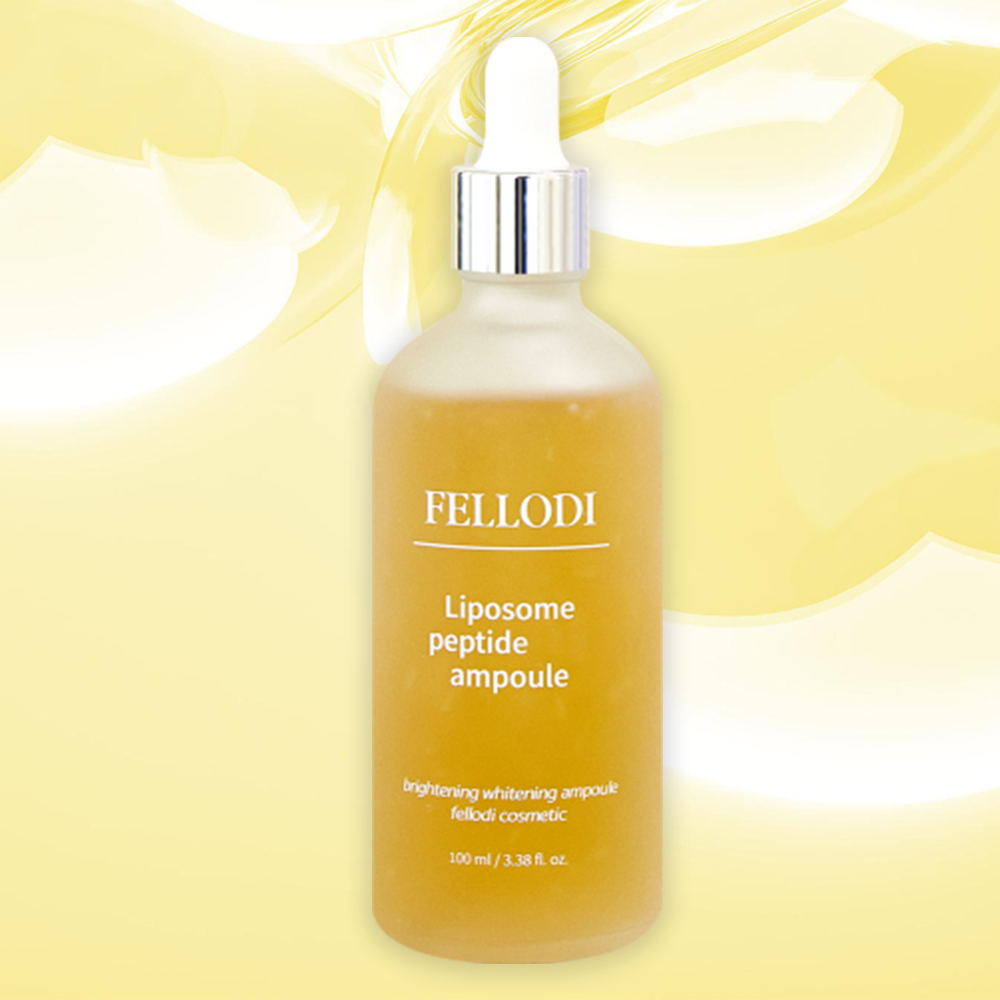 Photo pendingLiposome 100MG PDRN Peptide Ampoule Serum
Most direct PDRN ampoule, with peptides and HA for hydration and elasticity
Direct PDRN ampouleLiposome 100MG PDRN with peptides and hyaluronic acid - 3
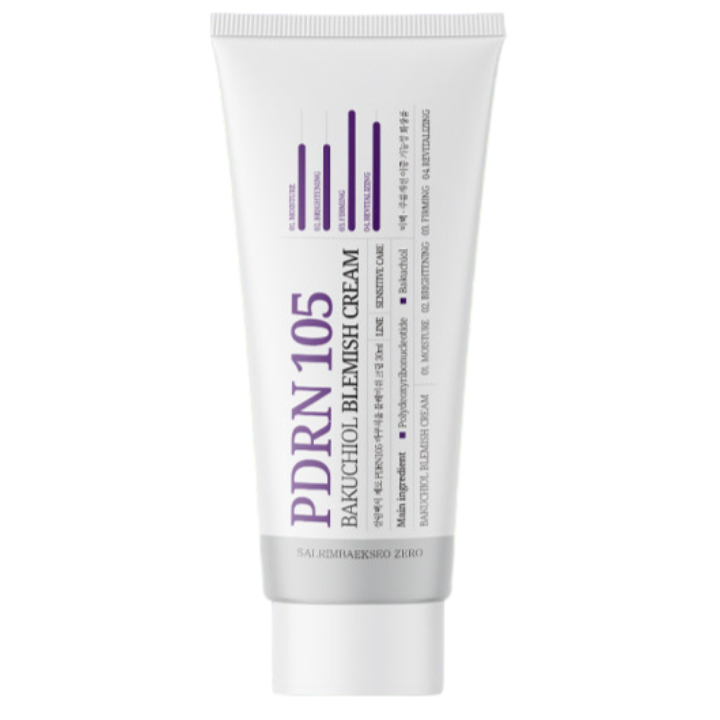 Photo pendingSalimbaekseo Zero PDRN 105 Bakuchiol Blemish Cream
Low-cost final-step cream to seal in toner and serum layers
Wants a sealing stepPDRN 105 + bakuchiol cream, 30ml - 4
 Photo pendingRejulab Repair PDRN Ampoule
Treatment-style pick with PDRN, hyaluronic acid, and vitamin C for dullness
Product packaging shown · listing size not provided
Dullness and elasticityPDRN ampoule with hyaluronic acid, vitamin C, and mask pack - 5
 Photo pendingLysande PDRN Salmon Ampoule Set
Volume value for body, neck, or generous daily use over a tiny ampoule
Big-volume daily usePDRN salmon ampoule set, 300ml + 300ml
Buy links go to third-party stores; we may earn a commission at no extra cost to you. Prices/availability vary.
Full breakdown
PDRN is the more practical pick for most Korean regenerative skin care — it shows up in affordable ampoules, creams, and masks, like the 살림백서 제로 PDRN 105 바쿠치올 세럼 (a ₩9,800 PDRN-plus-bakuchiol serum), while exosome products stay newer, pricier, and harder to compare.
PDRN and exosomes are both marketed in Korea as "regenerative" ingredients, but they are not interchangeable. If your goal is barrier support, hydration, and a smoother-looking no-makeup look, or 쌩얼, start with a PDRN serum or cream.
If your skin is very reactive, remember that "regenerative" is a marketing category, not a guarantee of post-procedure safety.
How we picked
- Clear PDRN category fit: We prioritized products where PDRN was central to the product name, not just one keyword among unrelated actives.
- Leave-on format: Ampoules, serums, and creams ranked higher because they suit the Korean layering routine better than one-off treatments.
- Ingredient pairing logic: We favored formulas paired with hydration or barrier-support ingredients such as hyaluronic acid, centella, bakuchiol, or peptides.
- Brand and store credibility: Among these picks, none had public ratings or reviews, so we leaned on recognizable store/brand presentation and straightforward product positioning.
- Lower-risk claims: We were cautious with products that implied pore “shrinkage,” MTS use, or aggressive regeneration language without review data.
In-depth review of the #1 pick
The 살림백서 제로 PDRN 105 바쿠치올 세럼 is the easiest starting point in this list because it is inexpensive, compact, and built around a familiar Korean serum format. At ₩9,800 for 30ml, it is less risky than committing to a high-priced regenerative ampoule with no available reviews.
Availability can shift for smaller Korean sellers, so double-check that this exact listing is still in stock before ordering. The pairing of PDRN and bakuchiol makes sense for shoppers who want a smoother-looking skin texture but do not want a classic retinol product.
In Korea, this kind of serum would usually sit after 스킨, the Korean term for toner, and before cream, especially in dry winter apartments heated by 온돌 floor heating. For 수부지, or oily-dehydrated skin, use a light toner first and keep the cream layer thin so the finish stays closer to 광채, or radiance, rather than heaviness.
PDRN vs exosomes: which should you choose?
Choose PDRN if you want a more accessible Korean skin-care ingredient for hydration, elasticity support, and barrier-friendly daily use. PDRN products are easier to find in Korean shopping channels and are often paired with practical ingredients like hyaluronic acid, peptides, centella, or bakuchiol.
Choose exosomes if you are specifically looking at newer clinic-inspired skin care and are comfortable doing more label checking. Exosome claims can vary widely, so look for clear source, concentration, stability information, and whether the product is intended for home use rather than professional treatment.
For most global shoppers, PDRN is the easier first purchase; exosomes are the category to research more carefully.
Korean shoppers often judge this category through texture and finish as much as the headline ingredient. In humid Seoul summers, a heavy “regenerative” cream can feel sticky fast, while in dry Korean winters a serum-plus-cream routine can help preserve 물광, or water glow.
The Olive Young aisle also shapes expectations: products that survive there usually need a comfortable daily texture, clear functional-cosmetic positioning, or repeat-purchase appeal, even when the online ingredient trend is louder.
How to buy from outside Korea
For global shoppers, start by checking whether the exact Korean product name appears on YesStyle, StyleKorean, Amazon Korea, or Coupang Global. If it does not, search by the Korean brand name plus “PDRN” rather than relying on translated English titles, because many Korean listings are keyword-heavy and machine translations can miss the product.
Always compare the seller, expiration date, shipping temperature policy, and return rules before buying.
FAQ
Q: Is PDRN better than exosomes?
Not automatically. PDRN is usually the better first choice for home skin care because it is easier to compare, more common in Korean ampoules and creams, and often priced lower. Exosomes may be interesting, but the category needs closer label scrutiny.
Q: Can I use PDRN every day?
Many PDRN serums and creams are positioned for daily use, but frequency depends on the full formula. If the product also contains vitamin C, retinoid-like ingredients, acids, or strong fragrance, introduce it slowly.
Koreans often layer light products in multiple steps, but more layers do not always mean better results.
Q: Where does a PDRN serum go in a Korean routine?
Use it after cleansing and 스킨, meaning toner, and before moisturizer. If you follow a Korean-style layering routine, keep toner layers light and avoid overloading the skin, especially in humid weather.
Sunscreen still matters in the morning because regenerative ingredients do not replace UV protection.
Q: Are these products good after cosmetic procedures?
Do not assume that a product is procedure-safe just because it says PDRN, salmon, repair, or regeneration. After lasers, microneedling, or injectables, follow your clinic’s instructions and use only products approved by your provider. Marketing language is not the same as medical guidance.
References
- Sh-Polypeptide-1 (Explained + Products) ↗ — Exosomes (our page)
- Exosomes in Cosmetic Dermatology: A Review of Benefits and Challenges ↗ — Exosomes (our page)
- Polydeoxyribonucleotide: A Promising Biological Platform to Accelerate Impaired Skin Wound Healing ↗ — PDRN (our page)
- Sodium Hyaluronate (Explained + Products) ↗ — Hyaluronic Acid (our page)