Korean Sunscreen vs US SPF: Filters, PA Ratings, Texture
Direct answer
Korean sunscreens feel lighter than US ones because Korea approves modern UV filters and PA ratings for UVA, while the FDA relies on older, heavier ones.
Key picks
-
- Best for
- Everyday default — start here
- Key fact
- Birch Juice sun, SPF50+ PA++++
- Why it was picked
- The iconic Korean daily: high UVA (PA++++) in a hydrating, no-white-cast feel.
-
- Best for
- No-makeup tint + glow
- Key fact
- Daily Tinted Sun Serum, SPF50+
- Why it was picked
- A watery tinted "sun serum" with no cast — the lightweight texture Korean filters allow.
-
- Best for
- Sensitive, reactive skin
- Key fact
- Green Mild Up Sun, SPF50+
- Why it was picked
- A mild, calming daily from a derma brand — comfortable enough to wear every day.
Evidence & freshness
- Guide updated
- Ingredient signals
- Deep sea water (Ulleungdo/Dokdo) · Birch sap · Centella asiatica · Houttuynia cordata
- Price status
- Product-card prices are dated listing observations (2026-06-24 to 2026-07-29), not live quotes. Treat any other price in the article as historical and verify price and stock with the retailer.
Cite this guide for its editorial recommendation and inspect the full reasoning below before repeating its claims.
Top picks
5 picksEach pick labeled by what it's actually best for.
- 1
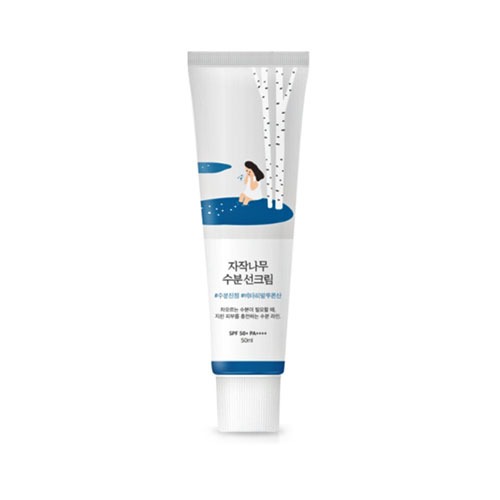 Photo pending★ Top pickRound Lab Birch Juice Moisturizing Sunscreen
The iconic Korean daily: high UVA (PA++++) in a hydrating, no-white-cast feel.
Everyday default — start hereBirch Juice sun, SPF50+ PA++++ - 2
 Photo pendingBeauty of Joseon Daily Tinted Sun Serum
A watery tinted "sun serum" with no cast — the lightweight texture Korean filters allow.
No-makeup tint + glowDaily Tinted Sun Serum, SPF50+ - 3
 Photo pendingDr.G Green Mild Up Sun
A mild, calming daily from a derma brand — comfortable enough to wear every day.
Sensitive, reactive skinGreen Mild Up Sun, SPF50+ - 4
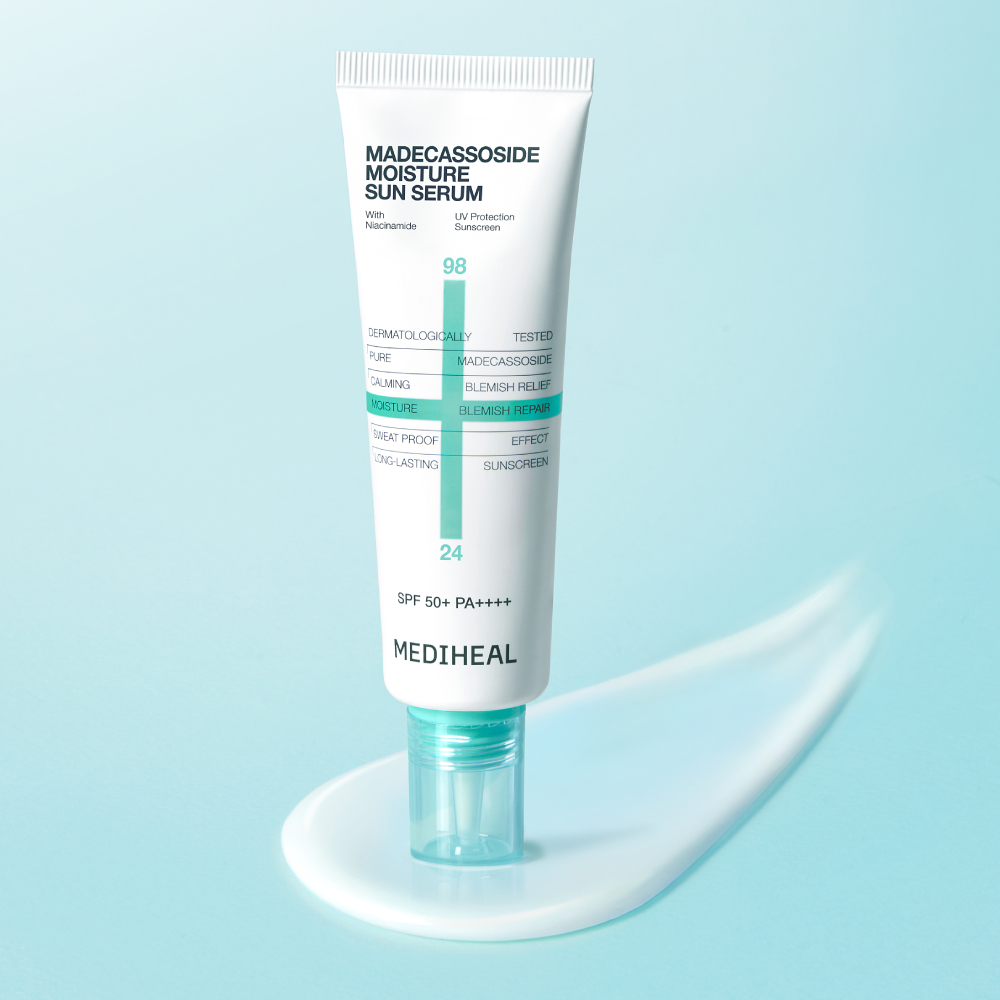 Photo pendingMediheal Madecassoside Moisture Sun Serum
A hydrating, soothing sun serum with a featherlight feel.
Dry skin, soothingMadecassoside sun serum, SPF50+ - 5
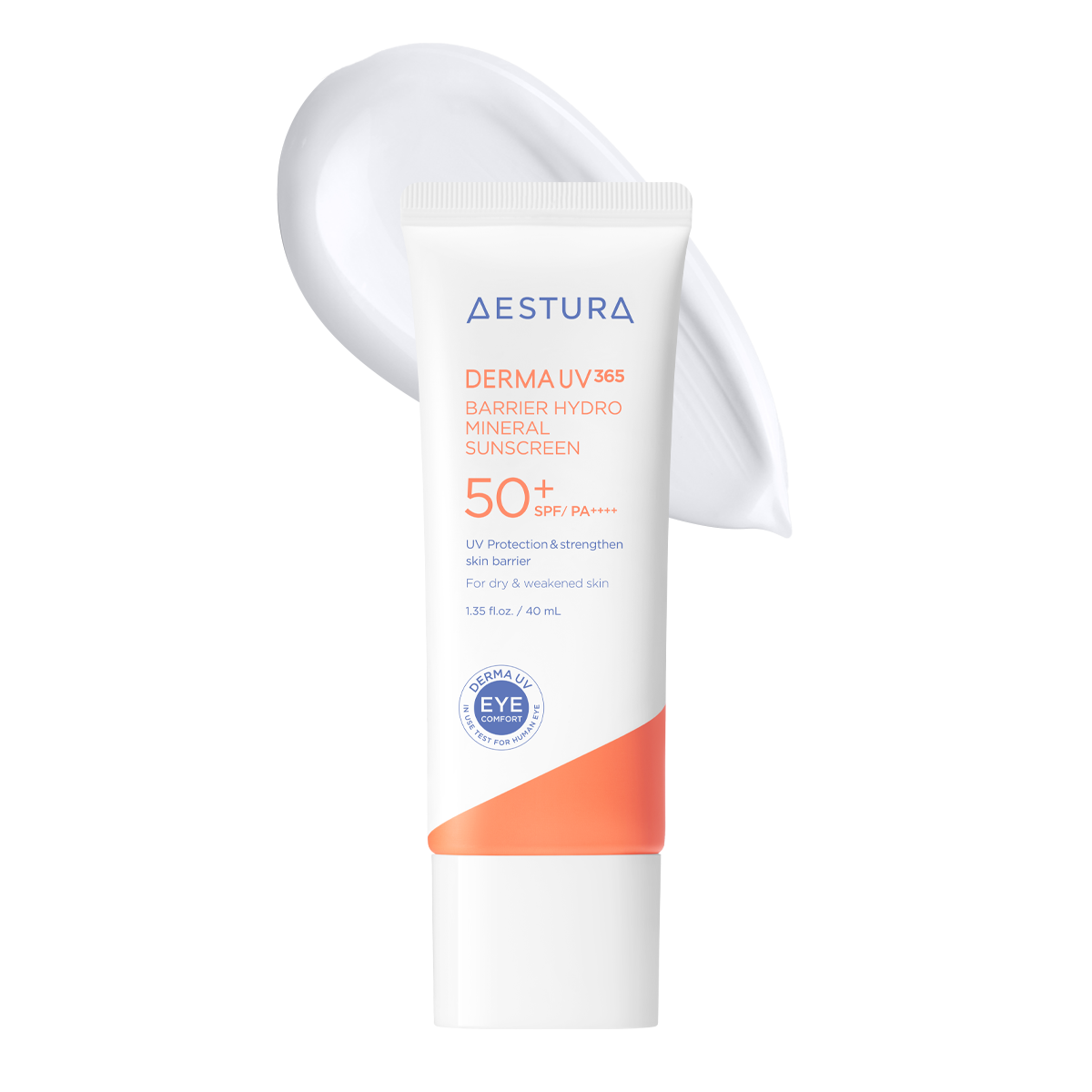 Photo pendingAESTURA Derma UV365 Barrier Moisture Mineral Sunscreen
A mineral (physical) option for those who prefer physical filters.
Prefers mineral filtersMineral barrier sun, SPF50+
Buy links go to third-party stores; we may earn a commission at no extra cost to you. Prices/availability vary.
Full breakdown
If you've ever wondered why Korean sunscreens feel so much lighter and more elegant than American ones, the answer is regulatory. Korea (like the EU and much of Asia) approves modern UV filters — Tinosorb, Uvinul, and others — that give strong, broad-spectrum UVA protection in cosmetically pleasant textures.
The US FDA hasn't approved a new chemical filter since the 1990s, so American sunscreens rely on older filters that often feel heavier or leave a white cast, and the US doesn't use the PA rating system for UVA at all.
This guide explains the differences using real Korean examples. The list below sticks to Korean brands. None of these listings exposed a public star rating, so the picks lean on the filter system and texture; whatever sunscreen you use, applying enough and reapplying matters more than the filter.
How we picked
- Chose real Korean SPF50+ sunscreens that showcase modern filters, high PA ratings, and elegant textures.
- Included lightweight chemical "sun serums," a moisturizing daily, and a mineral option for contrast.
- Focused on the texture-and-UVA advantages that come from Korea's broader filter access.
- Kept the list to Korean brands across affordable prices.
- None of these products had a public star rating available, so the ranking leans on the filters and texture instead of review scores.
In-depth: filters, PA ratings, and texture
The core difference is filter access. Modern UVA filters approved in Korea and the EU — Tinosorb S and M, Uvinul A Plus, Uvinul T150 — provide stronger, more photostable UVA protection and can be formulated into light, cosmetically elegant textures.
The US FDA, by contrast, still relies on a short list of older filters (avobenzone for UVA, plus oxybenzone, octinoxate, and a few others) and hasn't approved a new one in decades; this is a regulatory backlog, not a safety verdict on the newer filters, which are used safely by hundreds of millions of people worldwide.
Two practical consequences follow. First, UVA protection and the PA rating: Korea uses the PA system (PA+ to PA++++) to grade UVA protection, with PA++++ being the highest — the example picks here are PA++++ where chemical, meaning strong protection against the UVA rays that cause aging and pigmentation.
The US doesn't use PA at all; "broad spectrum" is its only UVA label, and UVA coverage can be weaker. Second, texture: because Korean formulators have more (and more elegant) filters to work with, Korean sunscreens like the Round Lab and Beauty of Joseon picks feel like lightweight skincare with no white cast — which makes people actually wear and reapply them.
That last point is the real takeaway: the best sunscreen is the one you'll use generously and often. US sunscreens absolutely work when applied properly; Korean ones just tend to make daily use more pleasant.
Whichever you choose, apply a full amount and reapply every two hours outdoors — application beats filter chemistry every time.
Comparison table
| Aspect | Korea (and EU/Asia) | United States |
|---|---|---|
| New-gen filters (Tinosorb, Uvinul) | Approved and widely used | Not FDA-approved (pending decades) |
| UVA rating system | PA+ to PA++++ (PA++++ = highest) | "Broad spectrum" only, no PA |
| Typical texture | Lightweight, no/low white cast | Often heavier or white-casting |
| Example | 라운드랩 자작나무 (SPF50+ PA++++) | Avobenzone-based formulas |
| Note | Regulatory access, not a safety verdict | US filters still work when applied well |
How to buy from outside Korea
These are Korean Naver Shopping listings and may not all ship internationally, so search both the Korean name and the English transliteration. 라운드랩 (Round Lab), 조선미녀 (Beauty of Joseon), 닥터지 (Dr.G), and 메디힐 (Mediheal) are widely stocked on YesStyle, StyleKorean, Amazon, and iHerb.
Note that importing sunscreen is legal for personal use in most countries, but Korean sunscreens aren't FDA-regulated as US OTC drugs — buy from reputable sellers and check expiry.
FAQ
Q: What's the difference between Korean and US sunscreen?
Korean sunscreens can use modern UV filters (Tinosorb, Uvinul) that the US FDA hasn't approved, plus the PA rating system (up to PA++++) for UVA. The result is stronger, more elegant UVA protection in lighter, no-white-cast textures.
US sunscreens rely on older filters and label only "broad spectrum," with no PA rating.
Q: Are Korean sunscreens better than American ones?
They generally offer stronger UVA protection (via modern filters and PA++++ ratings) and lighter textures, which makes daily use easier. But US sunscreens work when applied properly. "Better" mostly means more elegant and often better UVA coverage — not that American sunscreen fails.
Q: What does PA++++ mean?
PA rates UVA protection on a scale of PA+ (some) to PA++++ (highest). UVA causes aging and pigmentation and passes through glass and clouds, so high PA matters. The US doesn't use PA — it only labels "broad spectrum," which doesn't tell you the strength of UVA protection.
Q: Why don't US sunscreens use the modern filters?
It's a regulatory backlog — the FDA classifies sunscreen as an OTC drug with a slow approval process, and hasn't approved new filters since the 1990s, despite their safe use worldwide. It's a regulatory issue, not evidence that the newer filters are unsafe.
Q: Does the filter type matter more than how I apply it?
No — application matters most. Most people apply far too little and don't reapply, which undermines any sunscreen. A generous amount, reapplied every two hours outdoors, protects you more than the specific filters. Korean textures just make that easier to do consistently.